August 12, 2026
Free Trade Agreement Signed by Maldives and India
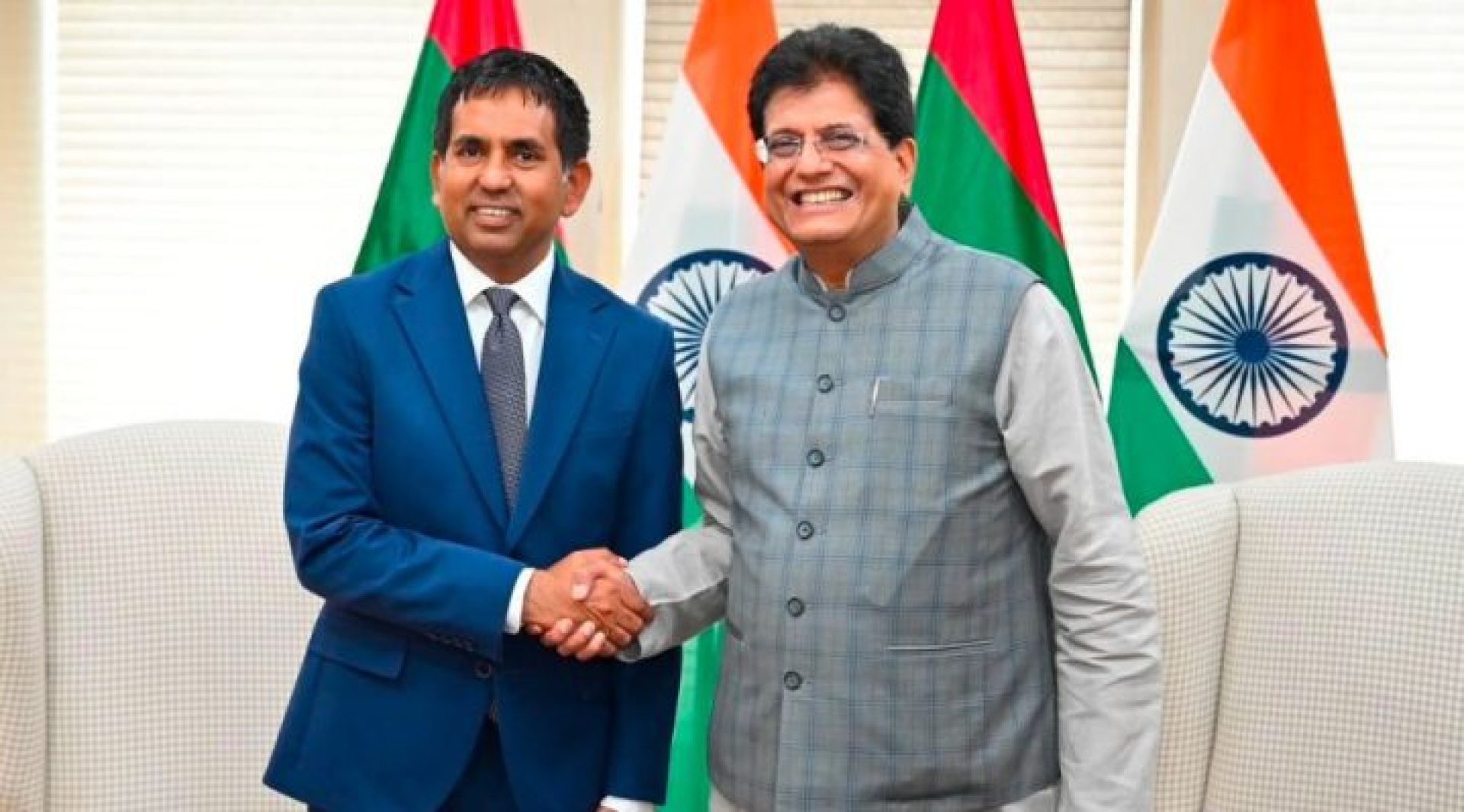
Fig 1. Minister of Economic Development, Transport and Trade of Maldives Mohamed Saeed meeting with
Minister of Commerce and Industry of India Piyush Goyal (Photo: File, Corporate Maldives Media)
As India and the Maldives celebrate 60 years of enduring friendship, efforts to elevate the economic frameworks of both nations to new heights have accelerated. In meetings held between India's Minister of Commerce, Piyush Goyal, and the Maldives' Minister of Economic Development, Mohamed Saeed, both countries formally agreed to expedite the Bilateral Investment Treaty (BIT) and the Free Trade Agreement (FTA).
These are historic agreements that will move beyond the previous reliance on individual, standalone projects, establishing a permanent and robust foundation for bilateral economic relations.
Benefits of the FTA and BIT for the Maldives:
1. A 1.4 Billion Market for Small and Medium Enterprises:
Under the Free Trade Agreement, Maldivian products, particularly fish and fishery products, will have the opportunity to be exported duty-free to India’s market of over 1.4 billion people. This represents a massive boost for the Maldivian fisheries sector. To maximize this opportunity, it is crucial that all Maldivian state institutions work together to enhance local production and provide swift solutions to regulatory challenges and barriers. Understanding the conditions of everyone from large businesses to small and medium-sized private entrepreneurs is vital. Only then will the full benefits of free trade be realized.
2. Faster Trade Transactions and Lower Prices:
India is one of the leading exporters of goods to the Maldives. With import duties on various types of goods being eliminated or reduced under the FTA, basic food items and medicines in the Maldivian market are likely to become 10% to 20% cheaper than they currently are. This price reduction will be facilitated by implementing sound domestic policies and economic reforms alongside these agreements.
3. Investment Security and Tourism Growth:
The Bilateral Investment Treaty (BIT) will provide complete legal protection for investors from both countries. Consequently, investments from major Indian corporations into the Maldivian tourism sector, real estate, and renewable energy are expected to increase. Out of the more than 1.8 million tourists visiting the Maldives annually, the Indian market accounts for a large percentage, and this number is expected to rise further with these agreements.
4. Local Currency Trade (Maldivian Rufiyaa and Indian Rupee):
Discussions also included conducting bilateral transactions in local currencies rather than the US dollar. This will provide some relief to the dollar crunch faced by the Maldives, enabling approximately $300 to $400 million in annual trade transactions between the Maldives and India to be conducted in local currencies. This will reduce the state's reliance on outflowing foreign currency, making transactions easier. "As India and the Maldives mark 60 years of relations, establishing such structural agreements is essential for the economic security and growth of both nations. These agreements will directly benefit the traders and citizens of both countries," emphasized Indian Commerce Minister Piyush Goyal during the event. The trajectory of India and the Maldives has now shifted away from a traditional aid-dependent policy toward mutually beneficial, equitable economic partnership. Finalizing these agreements in the coming months presents a golden opportunity to diversify and stabilize the Maldivian economy. The hope is that both the Maldivian state and its citizens will make the fullest use of this opportunity.
About the Authors; Mohamed Hoodh Ibrahim is the Chairperson of the Maldives Centre for Policy Research, and Political Scientist and Researcher at The Maldives National University. He has published research for UNESCO, UNDP, ADB and CCPR. Hoodh also serves as the elected UNESCO IYF Regional Facilitator for Asia Pacific, and the Vice President of the Maldivian Red Crescent Governing Board.
Ibrahim Shaeman is the Acting Secretary General of the China-Maldives Culture, Tourism, and Trade Promotion Association (CMCTTPA), working alongside fellow early career academics and entrepreneurs to foster cultural, tourism, and trade initiatives. His academic background is in Political Science and International Relations, with a special interest in International Political Economy